


IKARIAN DIET: WHAT IS IT, AND WHY SHOULD I CHOOSE TO FOLLOW IT?
Since the previous century, the Mediterranean diet, first established as a model on the Greek island of Crete, has been recommended to maintain good health and achieve longevity. However, among all Mediterranean populations, the people of Ikaria island appear to have the best results in these areas. Although it is proven that the Mediterranean diet protects against several illnesses, such as cardiovascular disease and certain types of cancer, its preeminence was questioned in 2020, as Ikarians were observed to outperform the rest of the Mediterranean in cardiovascular health and longevity. It is important to note that in 2009 Ikaria was added as the final member of the “Blue Zones”, a group of five regions worldwide with the highest life expectancy, as one third of its residents lived beyond 90 years of age while exhibiting significantly lower rates of cancer, cardiovascular disease, and dementia. The question now is what truly distinguishes Ikaria from the rest of the Mediterranean islands.
We use the term “Ikarian” to describe not only the people that follow this particular food pattern, but rather an overall lifestyle model that has been observed in Ikaria.
Starting with the Ikarian diet, it is a model that differs significantly from the Mediterranean diet. The Mediterranean diet is primarily based on high consumption of grains, fruits, and vegetables, moderate consumption of olive oil and legumes, low intake of dairy products and white meat such as fish and poultry, and very limited red meat and sweets. In Ikaria, meat consumption, including white meat, is much lower. This can be attributed to several factors, such as historical pirate activity near the island’s coasts, limited land suitable for livestock, and strong adherence to Orthodox religious fasting periods. Additionally, a common dietary habit among locals is the daily consumption of red wine, as well as various teas and herbal beverages, which contain high levels of antioxidants and diuretic compounds known for their cardioprotective effects. Olive oil is also used abundantly, both raw and in meal preparation.
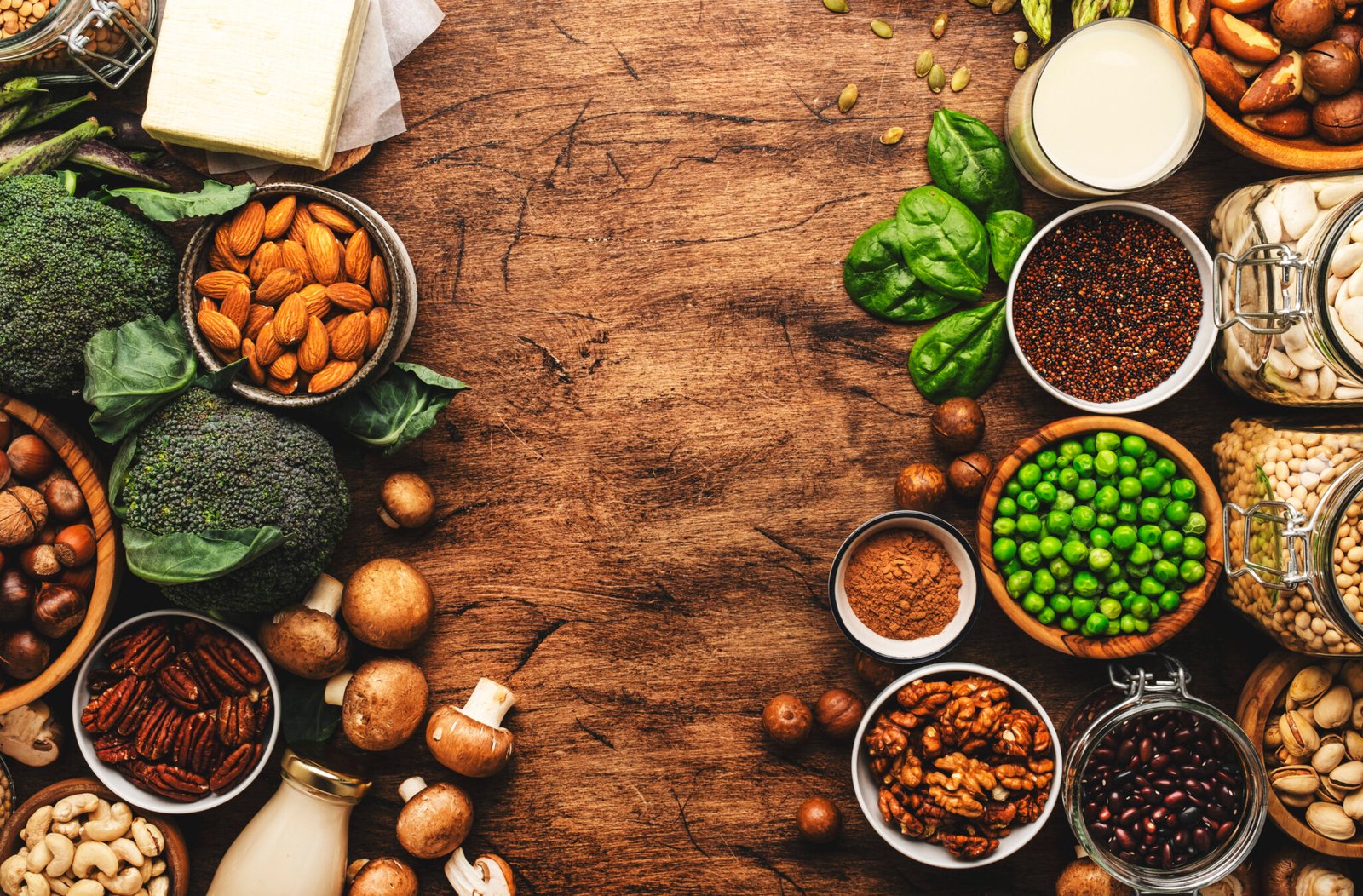
As a result, the Ikarian diet can be described as mostly plant-based, with an even greater emphasis on plant foods than the Mediterranean diet. Beyond diet, physical activity is a key aspect of the Ikarian lifestyle. Due to the lack of extensive arable land, residents grow their own fruits and vegetables and raise a small number of animals for family consumption. Daily gardening and farming activities naturally lead to an active lifestyle. This is further reinforced by walking as part of daily social life, such as visiting family, going to the sea, or attending church, resulting in higher daily energy expenditure than that of individuals who rely solely on gym-based exercise. Social interaction itself is also a vital component, as daily meetings with family and friends are an integral part of life. Finally, midday napping is a regular practice and is considered important for stress reduction, further supporting overall well-being.
Considering the aforementioned points, it is evident that, whether due to environmental circumstances or conscious choices, the people of Ikaria have developed a diet and lifestyle pattern that ranks them among the top five regions in the world in terms of longevity and overall health. While they are the creators of this model, people worldwide can also learn from their example. Growing one’s own vegetables may not always be possible, but choosing fresh foods over processed options is achievable. Life may move at a fast pace, yet time can still be made to share a glass of red wine with family and friends. Step by step, adopting these habits can benefit both physical and mental health, offering a valuable contribution to overall well-being.